

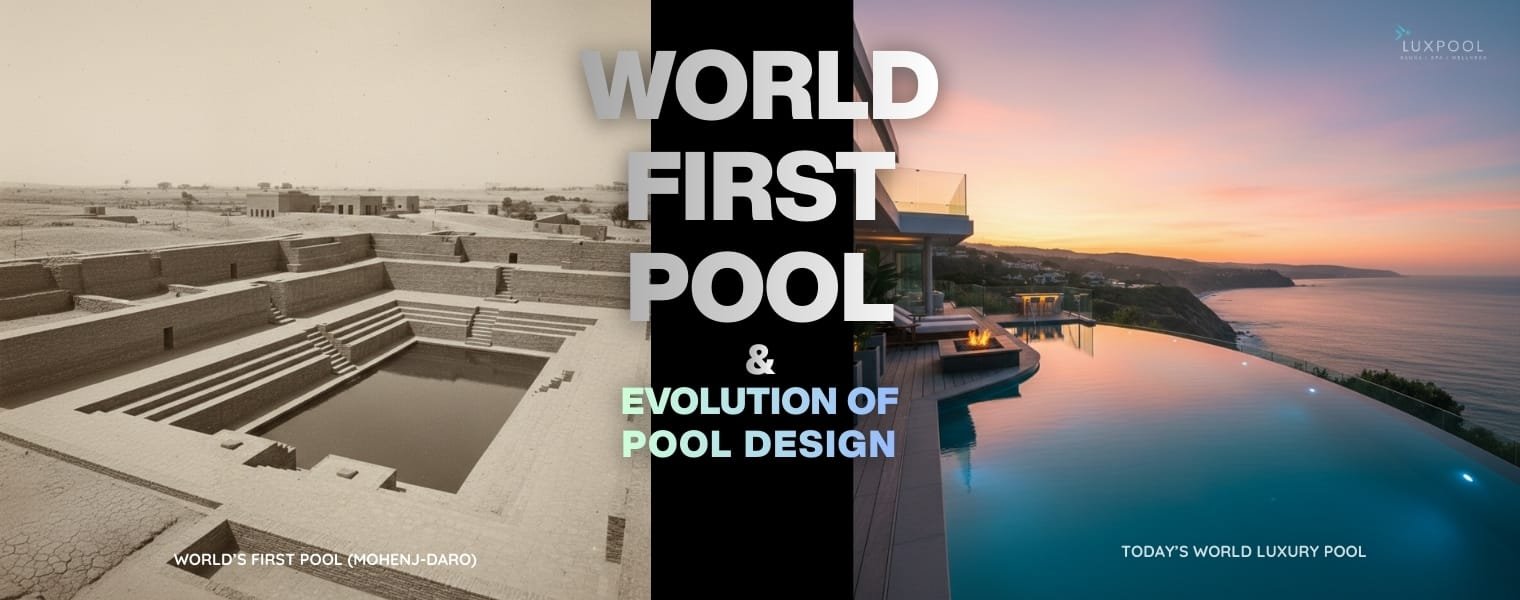
Swimming pools have fascinated humans for thousands of years. From simple communal baths to today’s smart luxury pools, their design and technology have constantly evolved. Understanding this journey gives us a greater appreciation for modern pools and the innovations that make them both beautiful and functional.
World’s First Swimming Pool
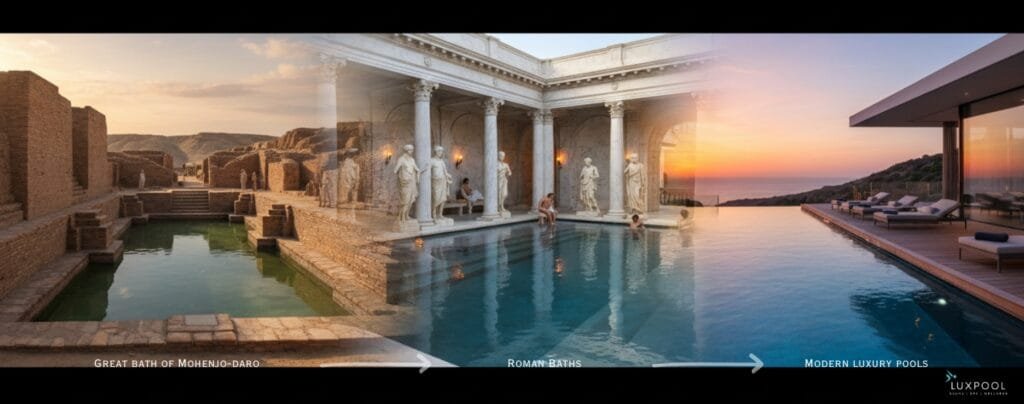
The earliest known swimming pool was around 2600 BCE in Mohenjo-daro, in what is now Pakistan. Known as the Great Bath of Mohenjo-daro, it was a large brick-lined pool used for communal bathing and rituals.
What made it remarkable:
- Waterproofed with bitumen to hold water
- Simple overflow system for circulation
- Served hygiene and social purposes
Even thousands of years ago, the principles of swimming pool design durability, water circulation, and social enjoyment were clear.
Swimming Pools in Ancient Civilisations
The Roman Empire took pools to a new level. Public baths became cultural hubs, showcasing engineering, luxury, and leisure.
Key innovations included:
- Heated floors using hypocaust systems
- Water supplied via aqueducts for circulation
- Ornamental pools in private villas for status and relaxation
Roman pools were not just functional they were a statement of sophistication, a concept that still influences luxury swimming pool design and build today.
Pools Through the Ages
After the Roman Empire, pool construction declined in Europe, but water features remained popular in decorative gardens. During the Renaissance, pools returned to private estates, focusing on symmetry, reflection, and aesthetic appeal.
By the 19th and 20th centuries, public and private pools became common:
- Rectangular lap pools for exercise
- Freeform leisure pools for relaxation
- Plunge pools for small spaces
Systems during this era included:
- Manual cleaning and basic pumps
- Chlorine filtration for hygiene
- Simple heating methods
Pools were becoming safer, more enjoyable, and more accessible but still required considerable maintenance.
Modern Pool Design
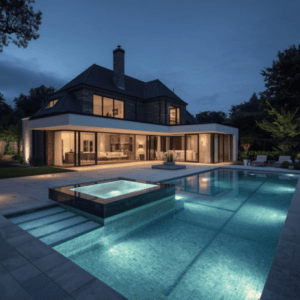
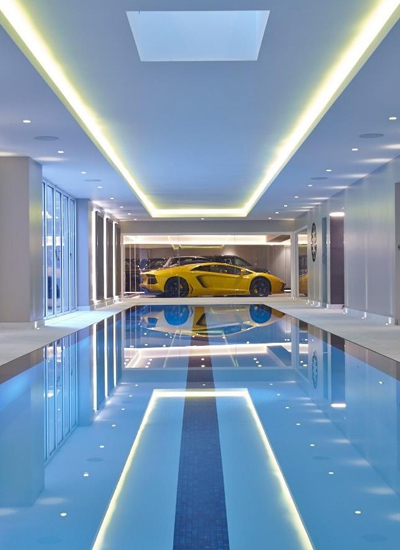
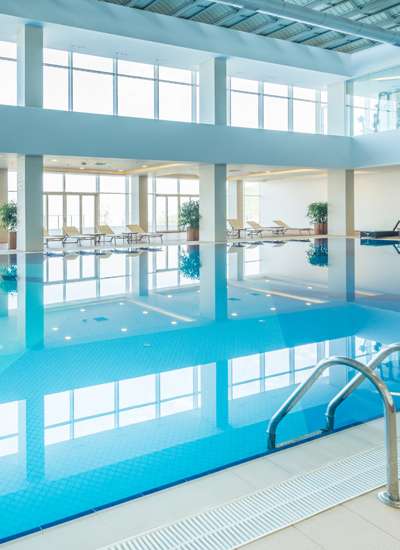
Today, swimming pool design and build blends style, wellness, and technology. Modern pools can be as much about luxury and experience as about swimming.
Popular designs:
- Infinity pools with stunning visual effects
- Geometric and freeform pools
- Wellness pools with spa, hydrotherapy, or massage jets
Modern pool systems:
- Pumps, heaters, and chemical dosing in earlier modern pools
- Smart systems today: Chemical free systems, automated filtration, temperature control, lighting, and remote monitoring
Benefits of smart pools:
- Easier maintenance and monitoring
- Energy efficiency and sustainability
- Improved water quality and safety
- Enhanced wellness-focused experience
Luxpool: Combining History and Innovation
Luxury pools today are the result of thousands of years of innovation. At Luxpool, we combine:
- Bespoke designs inspired by historical and contemporary styles
- Smart pool & chemical free systems for easy control and efficient operation
- Wellness-focused features, including hydrotherapy and spa options
Every Luxpool creation isn’t just a pool it’s a space for relaxation, luxury, and modern innovation.
Conclusion
From the Great Bath of Mohenjo-daro to today’s smart, bespoke pools, pool design has come a long way. Each innovation has made pools safer, more beautiful, and more enjoyable. Luxpool continues this journey, offering swimming pool design and build that are both timeless and technologically advanced.
FAQ’s
The Great Bath of Mohenjo-daro (around 2600 BCE) in Pakistan is the earliest known pool, used for communal bathing and rituals.
Early pools were created by the Indus Valley civilisation and later refined by the Romans with advanced engineering and luxury designs.
Pools evolved from simple communal baths to Roman public baths, Renaissance ornamental pools, and today’s infinity, wellness, and smart pools.
Early pools used natural water circulation and overflow systems. Modern pools gradually introduced pumps, filtration, heating, and now smart technology.
Smart pools automate filtration, temperature control, lighting, and monitoring. They reduce maintenance, improve water quality, and create a luxury wellness experience.