

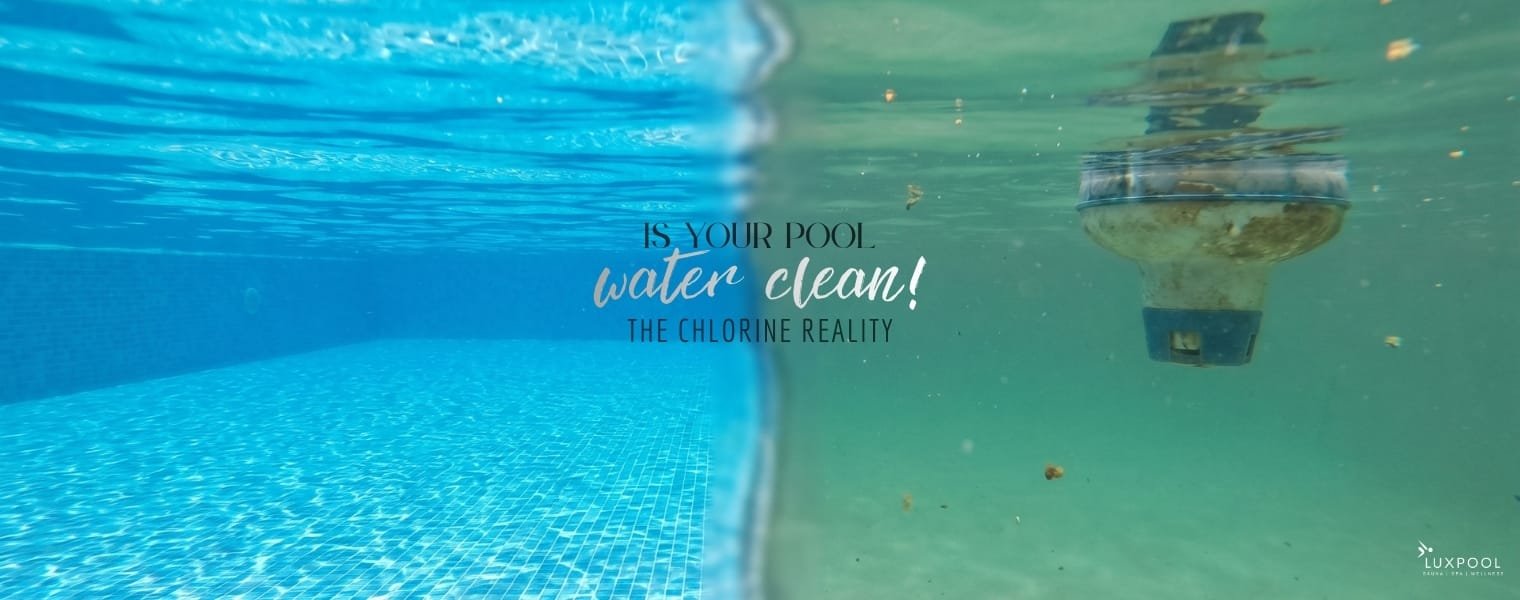
For decades, chlorine has been the default answer to keeping pool water safe. It’s affordable, widely available, and undeniably effective at killing bacteria. But how much do most pool owners or swimmers understand about what chlorine is doing inside the water, and more importantly, what it’s doing to you?
Before more homeowners begin exploring a chlorine free swimming pool, it’s worth understanding exactly what the problem with chlorine actually is because it goes much deeper than smell and red eyes.
It’s Not as Simple as “Adding Chlorine”
Most people treat chlorine as a single ingredient. The moment chlorine enters your pool, it splits into two very different chemical forms and only one of them is doing the job you’re paying for.
Hypochlorous acid is the powerful, active sanitiser. It penetrates and destroys bacteria, viruses, and algae efficiently. This is the form you actually want to present in the water.
Hypochlorite ion is the same compound but significantly weaker as a disinfectant. The balance between these two shifts constantly depending on your pool’s pH level. When pH rises even slightly above the ideal range, the ratio tips towards the weaker form, meaning your pool could read perfectly fine on a chlorine test and still be far less effective at sanitising than you think.
This is why pH management is not simply routine maintenance. It plays a major role in water quality and sanitising performance.
Free Chlorine vs Combined Chlorine
Beyond the chemistry of chlorine itself, there are two states in which it exists in your pool at any given moment.
Free Chlorine
It is the active, available sanitiser (HOCl and OCl) working to keep the water clean. This is what you test for and what you need to maintain.
Combined Chlorine
It is also known as chloramines, is something else entirely. When free chlorine reacts with organic matter-like sweat, urine, sunscreen, skin cells brought in by swimmers, it gets consumed and transforms into chloramines. Chloramines are far less effective as sanitisers and are one of the main causes of
- Red eyes
- Dry or itchy skin
- Breath irritation
- Strong chemical smells
Ideal levels of combined chlorine are essentially zero, below 0.5ppm. In a regularly used pool, levels frequently exceed this without the owner ever knowing.
You will also encounter the term Total Chlorine, this is simply the measurement of free and combined chlorine added together. A high total chlorine reading can actually be misleading. It may look reassuring on paper while a large portion of that figure is made up of inactive, irritating chloramines rather than working sanitiser.
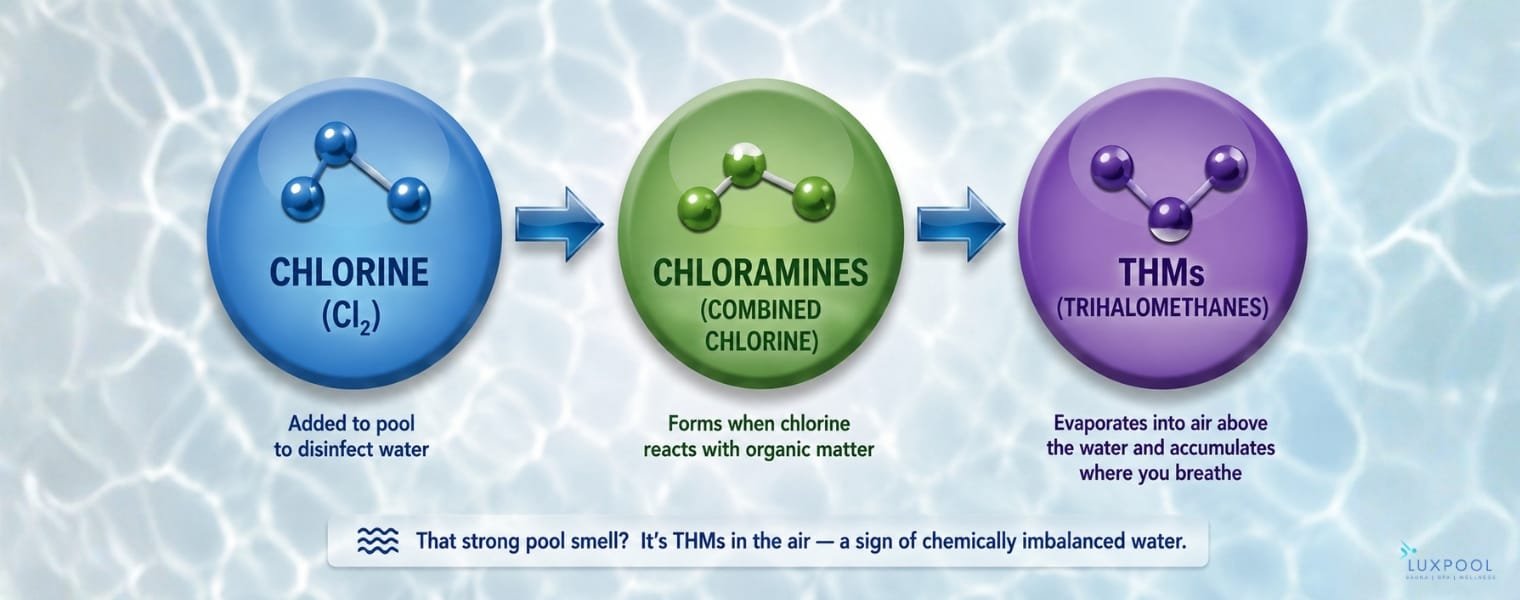
Problem Extends Beyond the Water
Here is where things become more serious. Chloramines do not stay in the water. They evaporate.
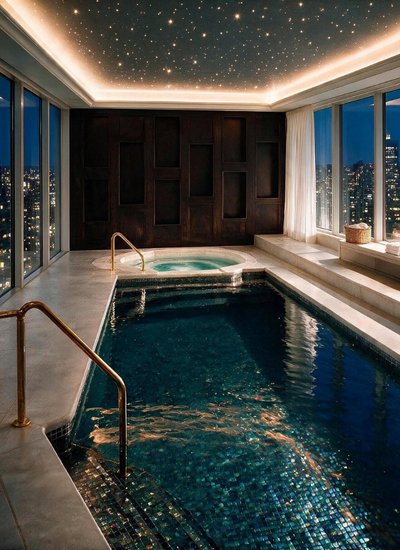
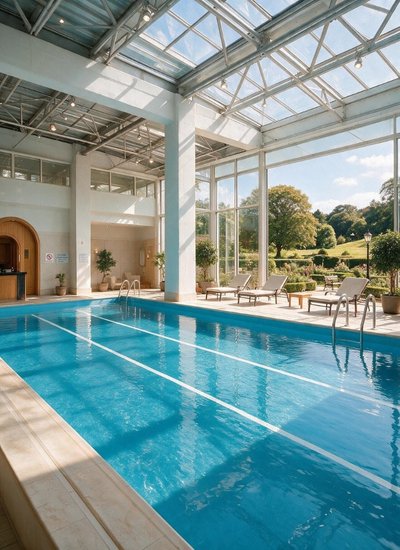
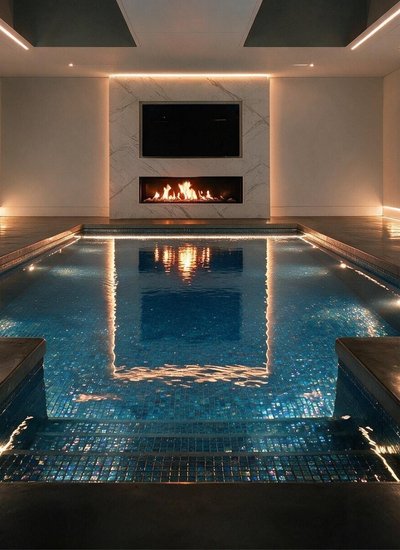
When combined chlorine off gasses from the water surface, it transforms into trihalomethanes (THMs), chemical disinfection by-products (DBPs) formed when chlorine reacts with organic matter such as sweat, urine, and skin cells. In an indoor pool environment, THMs accumulate in the air directly above the water precisely where swimmers, and particularly children, breathe.
Some studies have investigated potential links between long-term exposure to chlorination by-products and respiratory irritation or other health concerns, particularly in poorly ventilated indoor environments. Regular exposure in enclosed pool environments has also been linked to increased asthma risk in children. Beyond the health implications, THMs accelerate corrosion of pool equipment, pipework, metal fittings, and surrounding surfaces silently increasing maintenance and replacement costs over time.
That unmistakable pool smell the moment you walk into an indoor pool? That is not the smell of clean water. That is THMs in the air a signal that the water is chemically imbalanced, not well maintained.
Traditional Solutions and Limitations
The industry has long recognised these problems, and two partial solutions have existed for years.
UV Systems
UV Systems can reduce chlorine demand by 50–80% by breaking down chloramines directly. This is a meaningful improvement and does reduce the smell and irritation but chlorine remains an active part of the treatment cycle and the formation of by-products is not fully eliminated.
Activated Carbon Filtration
Activated Carbon Filtration places a carbon layer over filter media to remove organic matter, chlorine, colour, and odour at the adsorption stage. Again, a useful tool but one that still operates within a chlorine-based framework, treating the symptoms rather than removing the cause.
Both approaches reduce the problem. Neither resolves it at its root.

Saltwater Pool Misconception
A significant number of homeowners switch to saltwater pools believing they are leaving chlorine behind altogether. This is one of the most widespread and costly misconceptions in the pool industry.
A saltwater pool generates chlorine on-site through electrolysis. It is, chemically, still a chlorine pool. This means:
- Chloramine can still form
- THMs can still develop
- Chlorine-related by-products are still present
On top of this, the high salt content introduces aggressive corrosion to metal fittings, equipment, and surrounding stonework and surfaces.
It is a different delivery mechanism and still produce chlorine in a different way. A saltwater pool is not a non chlorine pool system.
What Is a True Non Chlorine Pool System?
A genuine non chlorine pool system moves away from the chlorine treatment model entirely. Rather than adding chemicals to react with contamination after it enters the water, advanced alternative systems focus on preventing that contamination from creating a chemical demand in the first place.
Technologies Include:
- Advanced oxidation
- Bio-resistant filtration
- Ozone treatment
- Mineral-based conditioning
This different fundamentally approach to water treatment focused on improving water quality while reducing chemical dependency.
The growing interest in a chlorine free swimming pool among residential and commercial pool owners is not simply about lifestyle preference. It reflects a better understanding of what chlorine actually does in water, what it produces as a by-product, and what the long-term consequences of those by-products are for health, equipment, and air quality. The goal is no longer simply sanitised water. It is water that feels better to swim in, produces fewer chemical by-products, and creates a healthier indoor environment over the long term.
What This Means for Pool Owners
If you own a pool or are planning to build one the key questions to ask are no longer just “what is my chlorine level?”
Instead, it may be worth asking:
- What is my combined chlorine level?
- Is my indoor pool air quality being affected by chloramines?
- Is my current system treating contamination, or preventing it?
- Am I maintaining a chlorine pool, a saltwater pool, or a true non chlorine pool system?
Understanding the chemistry is the first step. The second is deciding whether the standard approach is good enough or whether your pool, and the people swimming in it, deserve something better.
FAQ’s
Free chlorine is your active sanitiser the part actually cleaning the water. Combined chlorine, or chloramines, is the used-up residue left after free chlorine reacts with sweat, urine, and organic matter from swimmers. Chloramines are inactive, irritating, and the real cause of red eyes and pool smell. Ideal combined chlorine levels should stay below 0.5ppm if yours regularly exceeds this, your water is carrying more of the problem than the solution.
No, this is one of the most common misconceptions in the pool industry. A saltwater pool simply generates chlorine on-site through electrolysis. It still contains chlorine, still forms chloramines, and still produces THMs as disinfection by-products. A saltwater pool is not a chlorine free swimming pool it is a chlorine pool with a different delivery method.
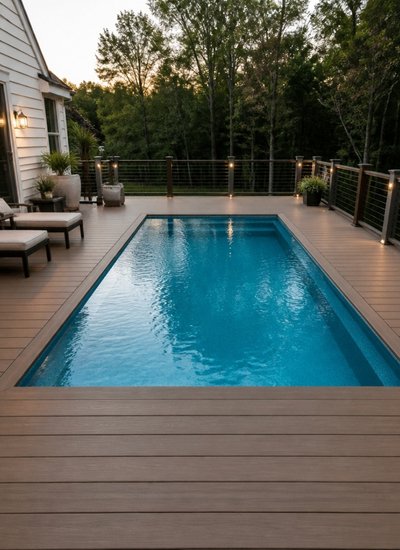
THMs form in any chlorine pool, indoors or outdoors. However, the risk is significantly greater indoors because THMs off-gas from the water surface and accumulate in the enclosed air above which is exactly where swimmers breathe. Outdoor pools benefit from natural ventilation, but the formation of THMs in the water remains the same regardless.